4 hr
Sea Scooter Snorkeling with Wild Turtles in Paphos
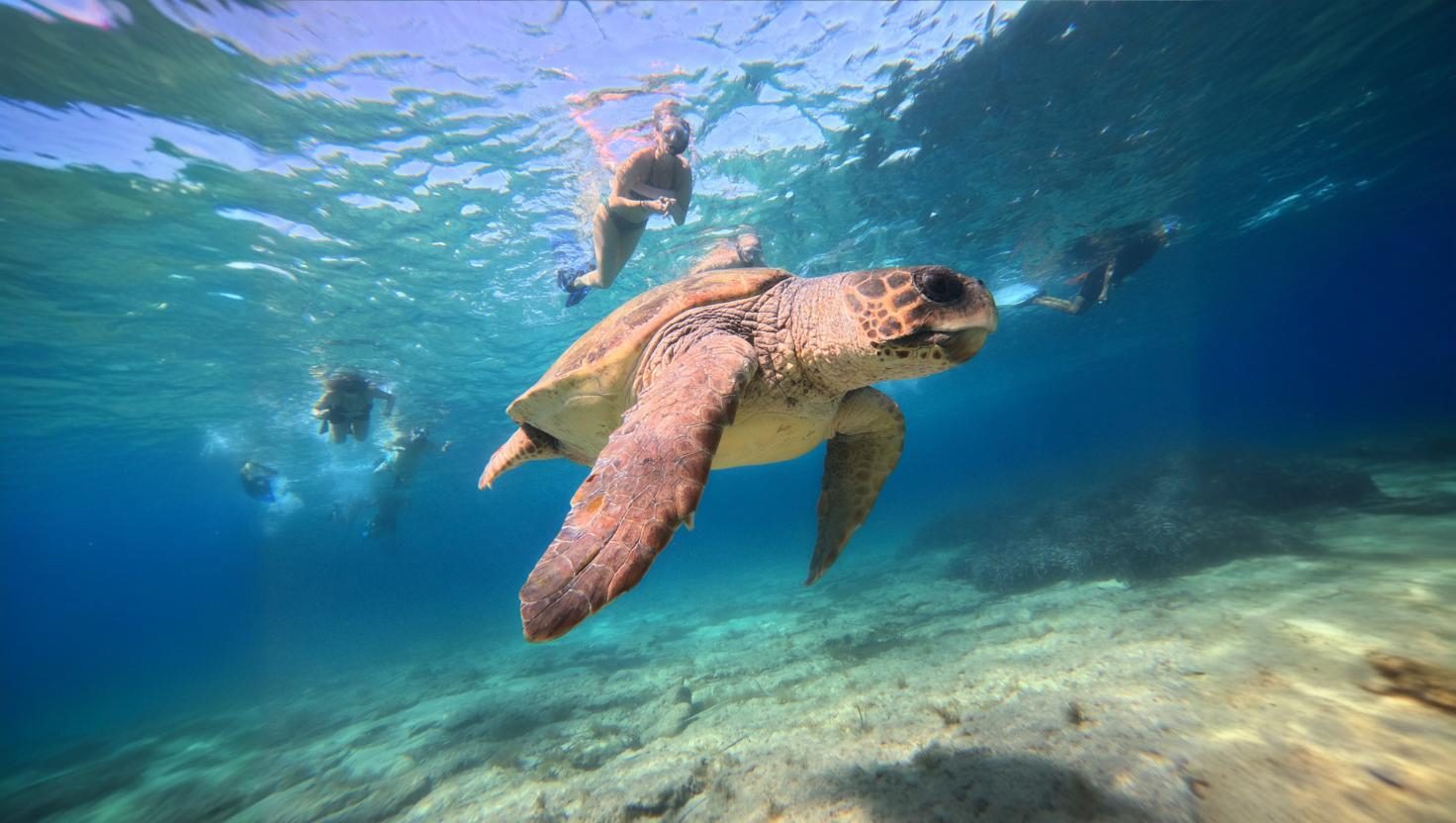
Glide through crystal waters on a sea scooter while watching sea turtles in their natural habitat
Reserve
Dawn patrols at the hatchery, ancient mariners returning to shore
Hand-picked by our editors — only the best 4 experiences from 12 reviewed.
Verified partners for Paphos Turtle Watching tours, free cancellation where available, and instant confirmation on every booking.
4 hr
Glide through crystal waters on a sea scooter while watching sea turtles in their natural habitat
Reserve
2 hr
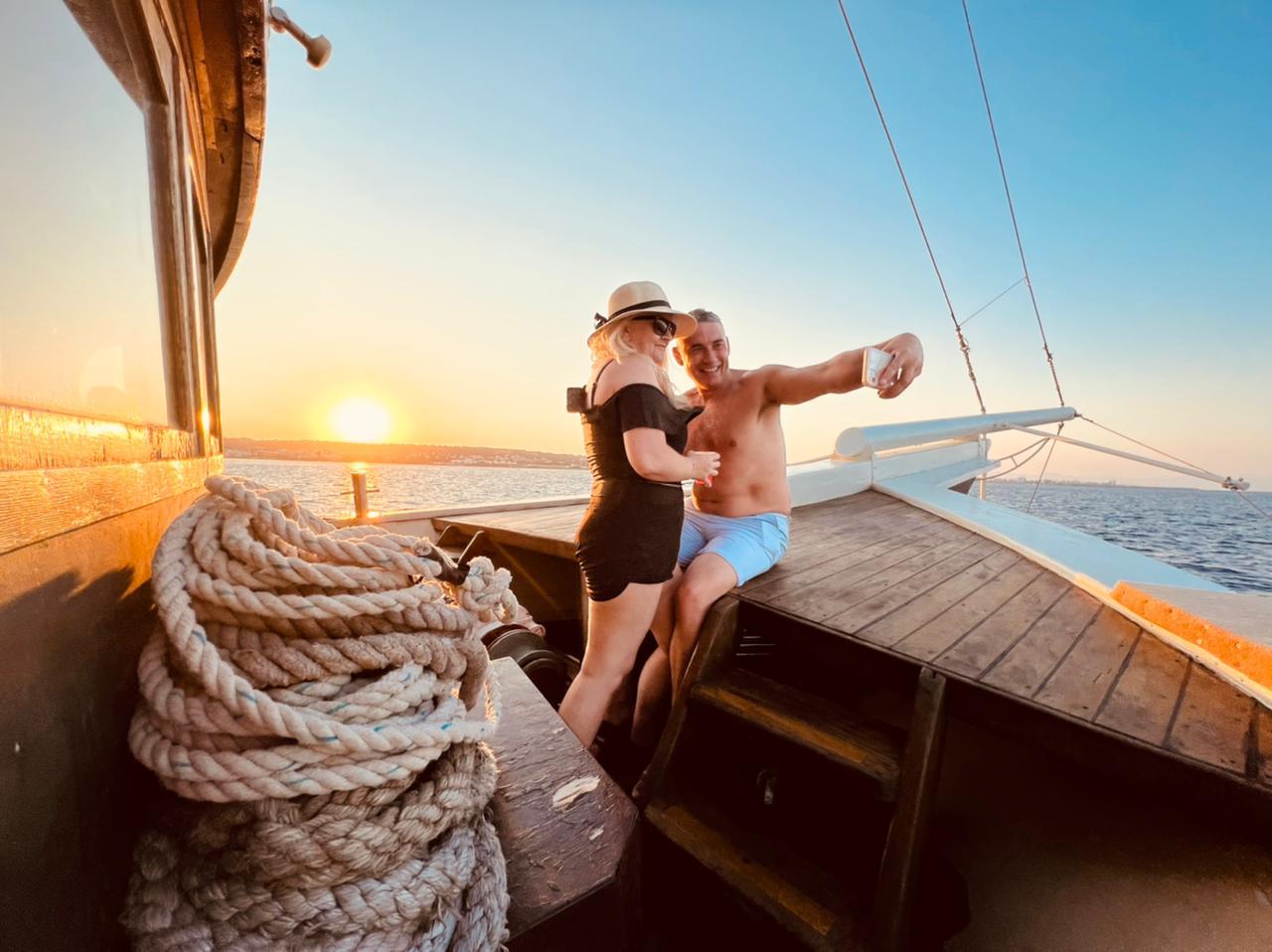
Two-hour semi-submarine voyage featuring underwater wildlife viewing, shipwreck exploration, and complimentary drinks
Reserve
4 hr
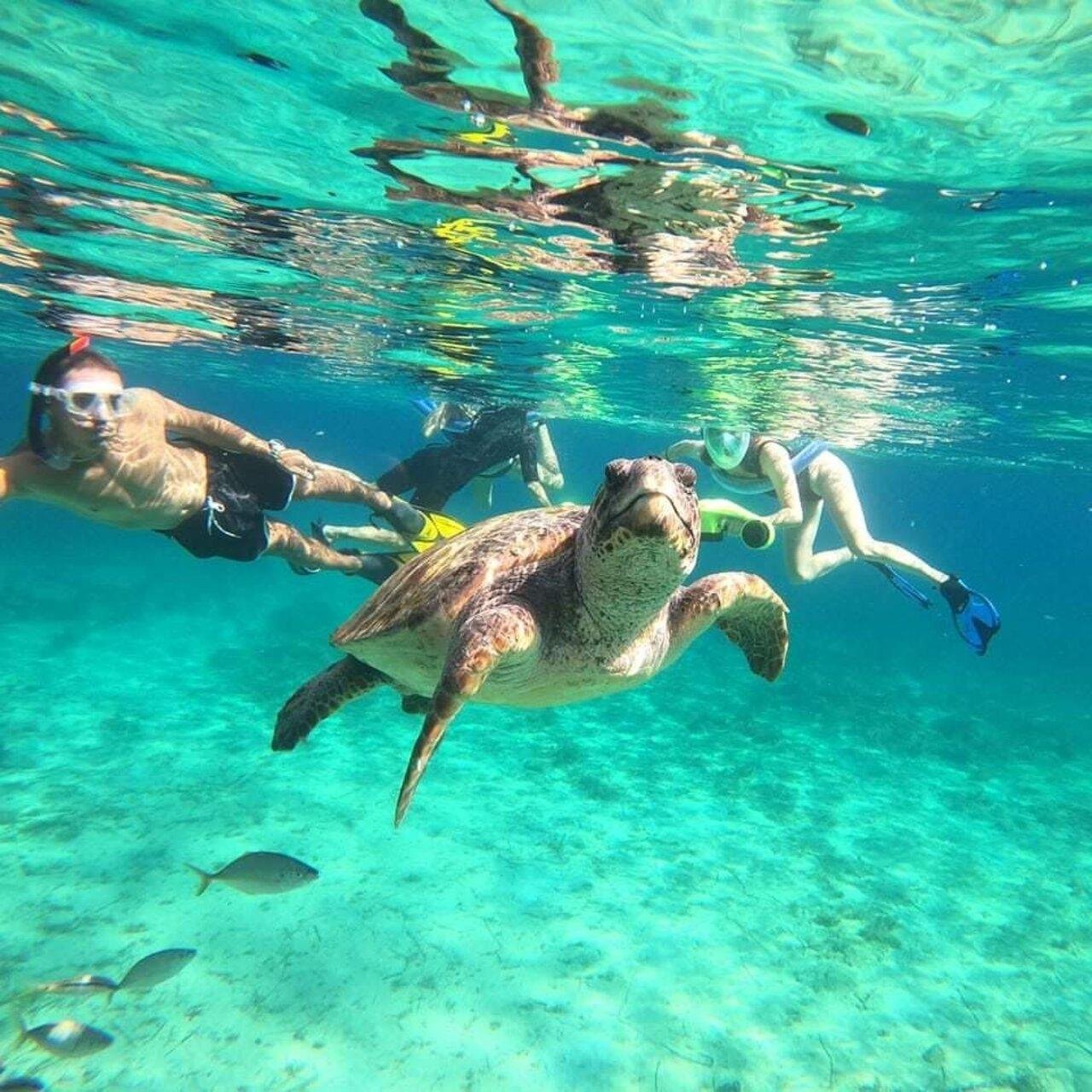
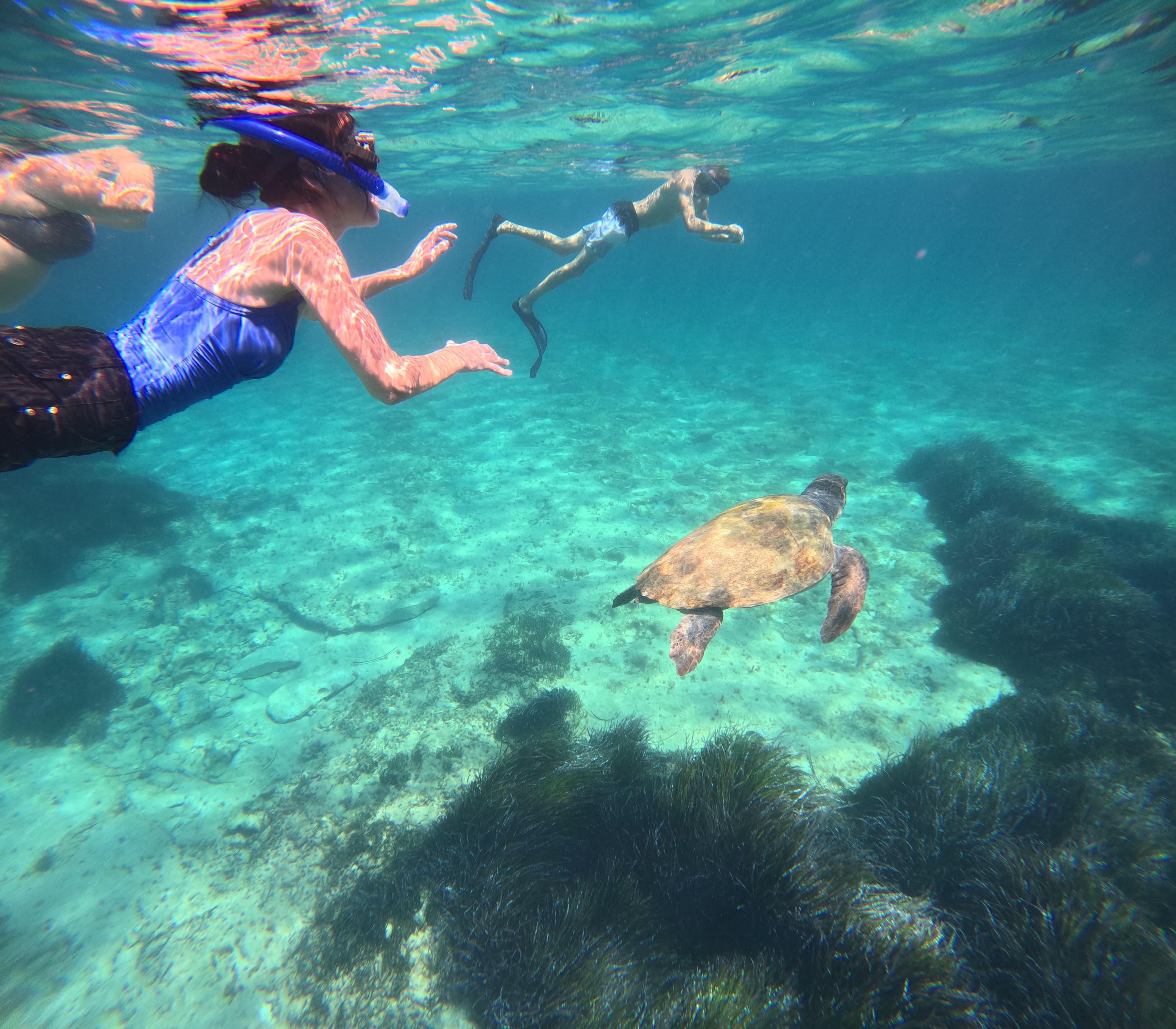
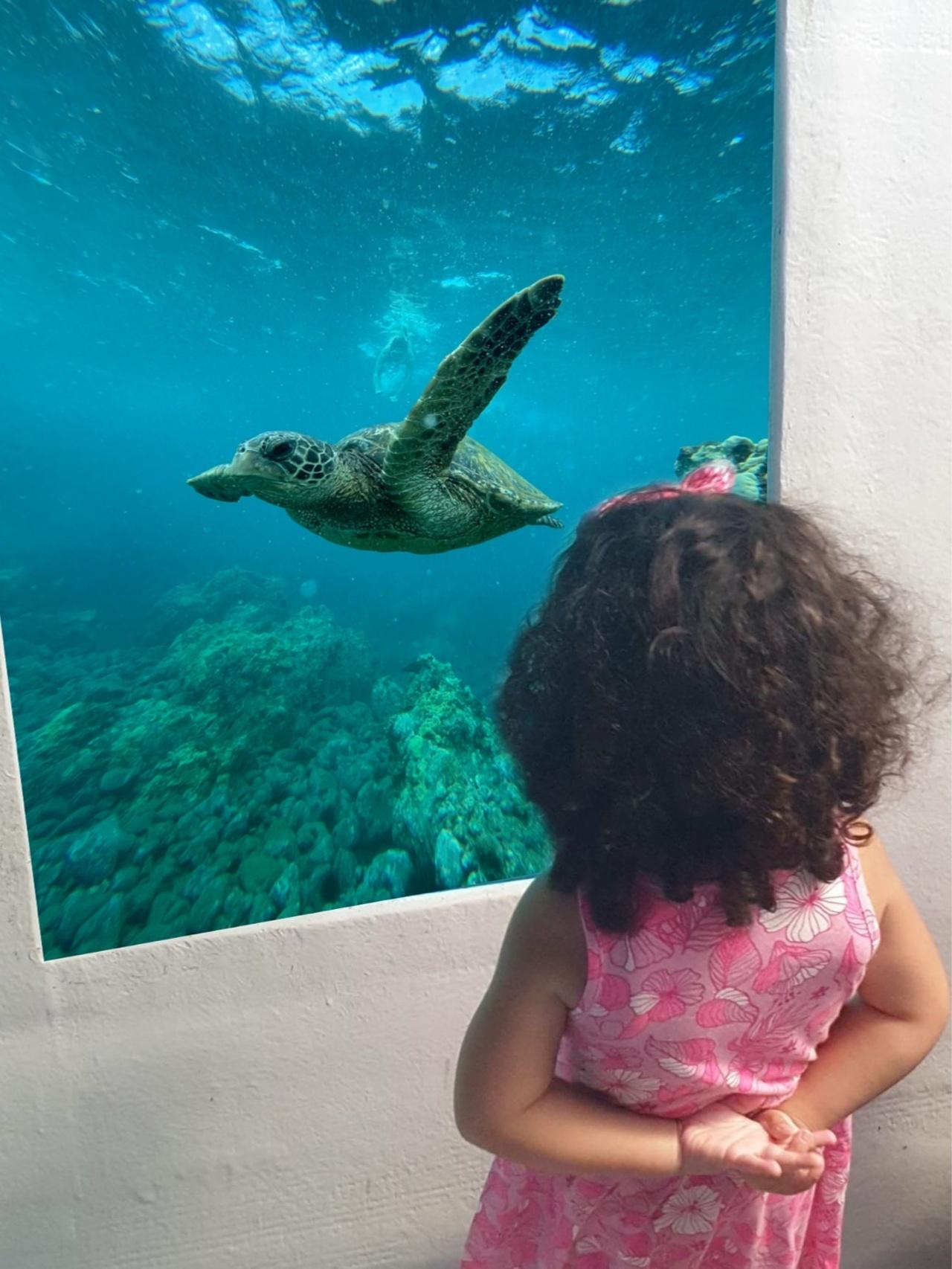
Swim with endangered sea turtles in pristine Mediterranean waters on this guided snorkeling experience
ReservePrices from verified partners. Availability updates in real time at checkout. Free cancellation policies apply where shown.
The landmarks, rooms, and views travelers on Paphos Turtle Watching tours remember — all visible on a single visit.
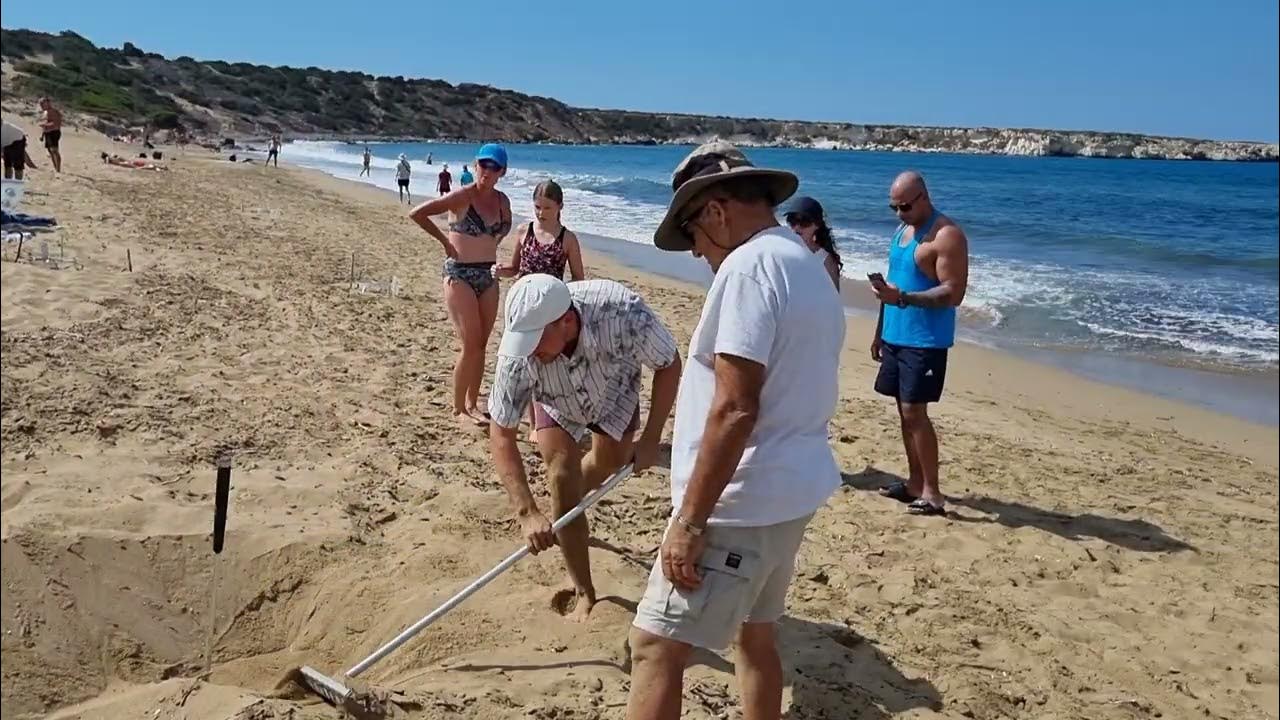
An informative hub run by volunteers that showcases the research and history of turtle protection in the region.
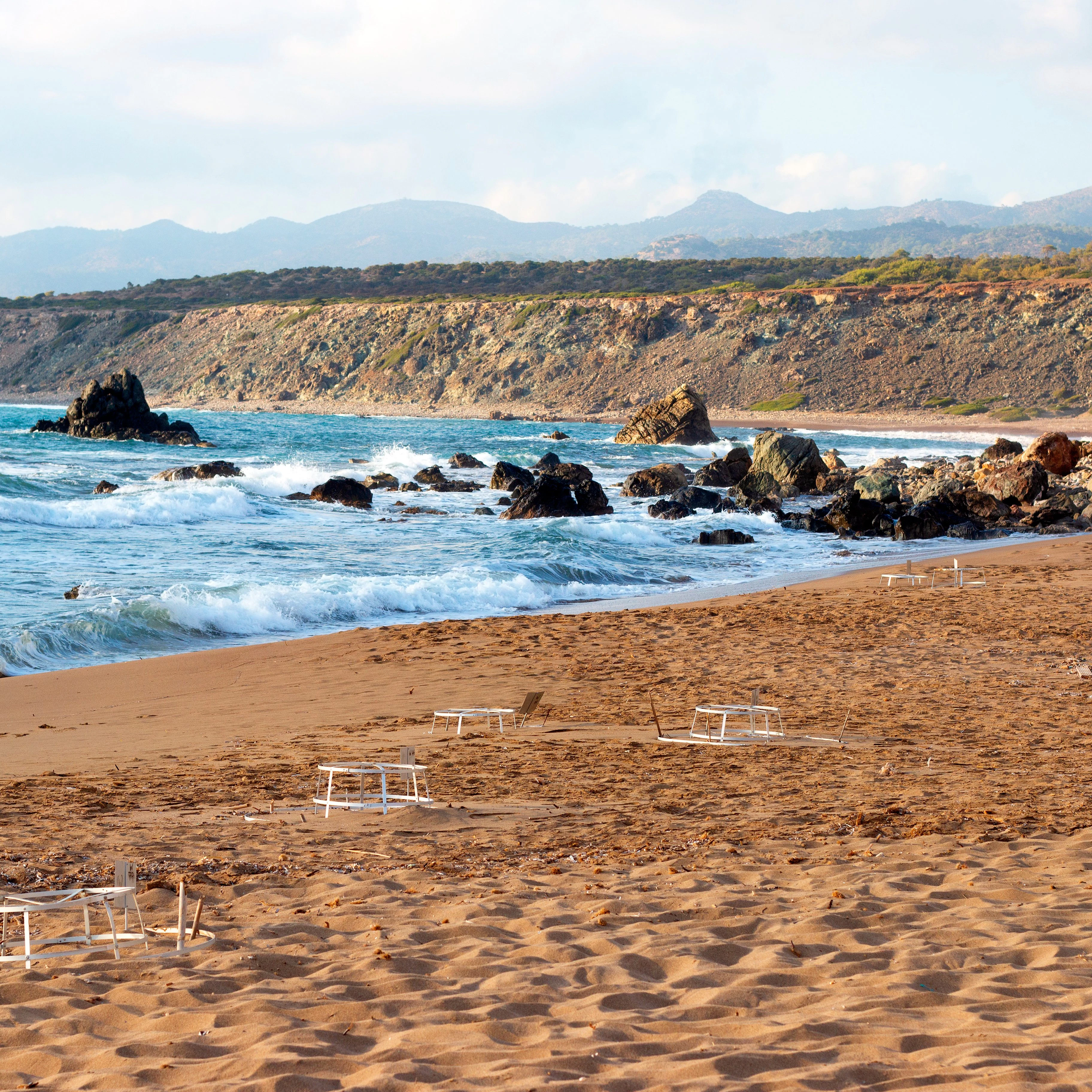
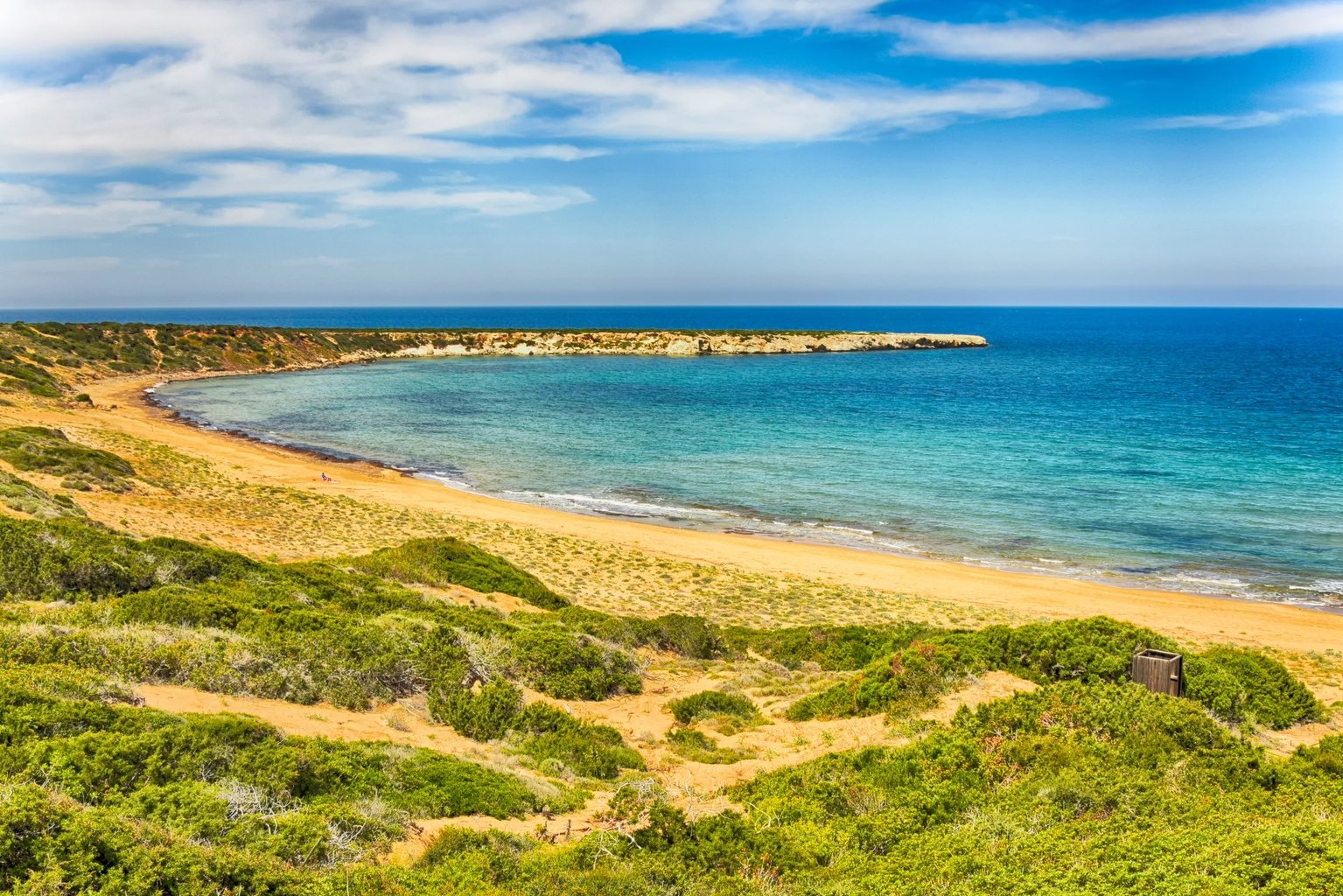
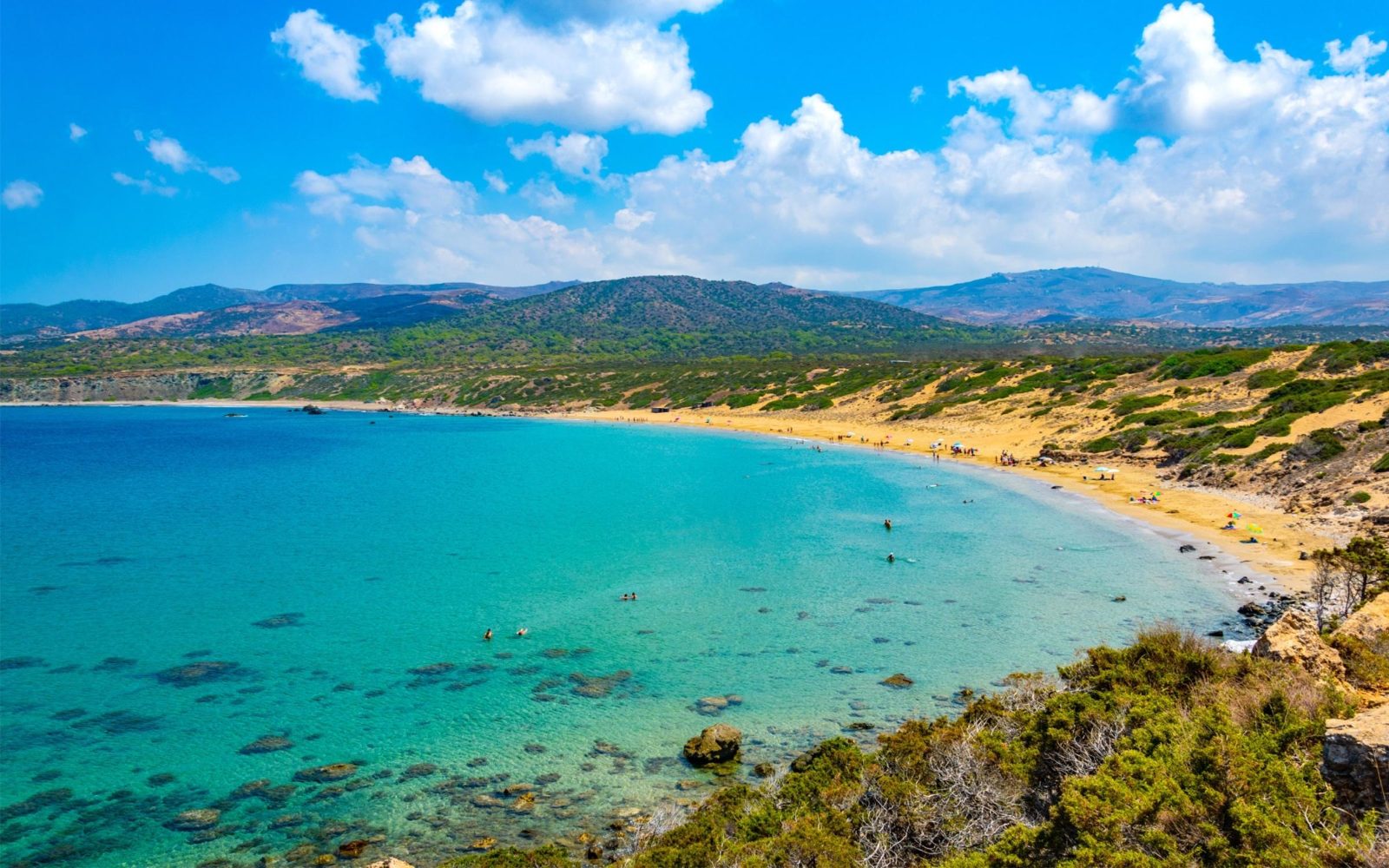
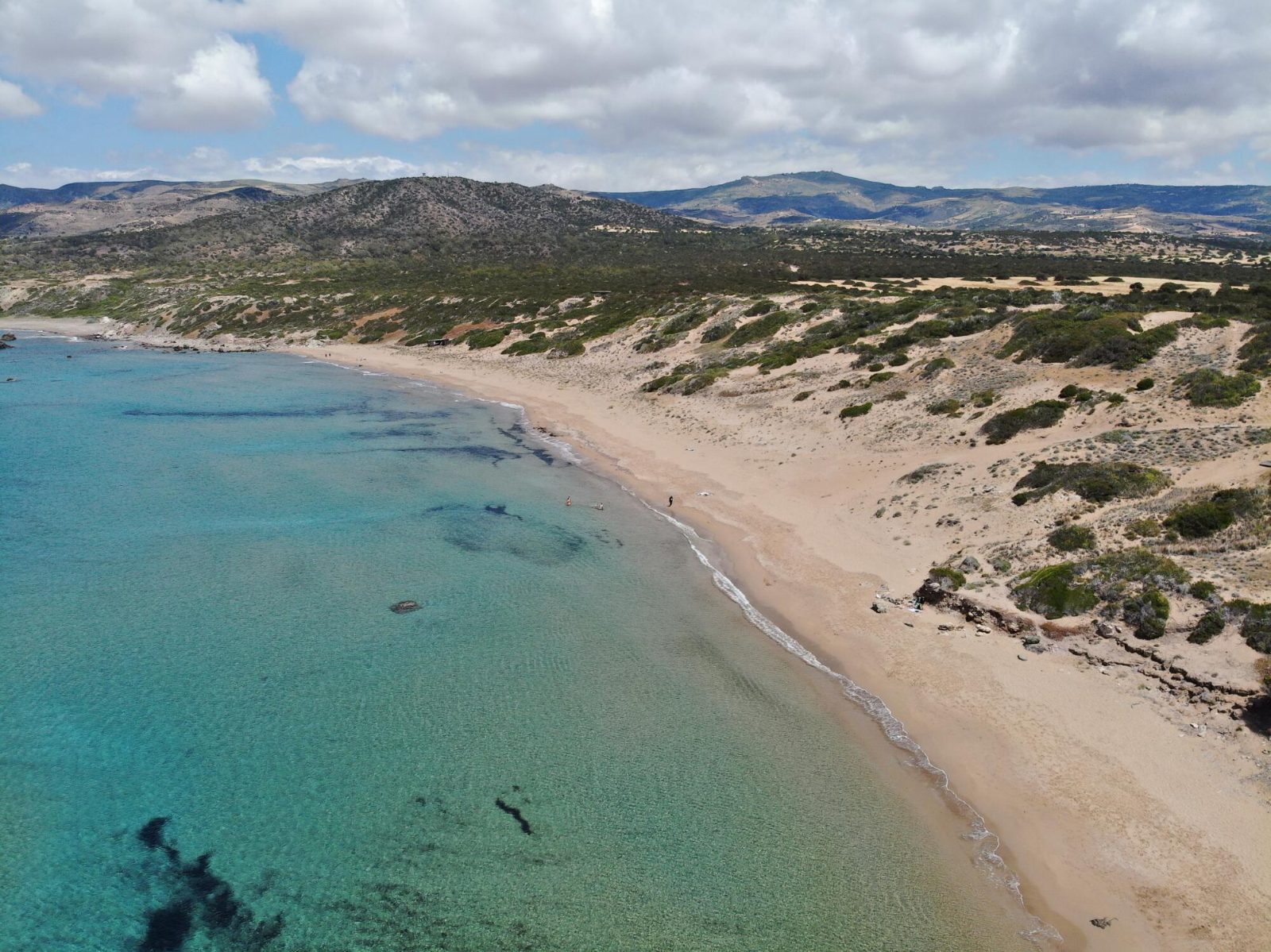
The sandy coastline where endangered loggerheads return annually to lay eggs in protected, caged sites.
Specially monitored tanks where researchers provide a secure environment for vulnerable hatchlings before their release.
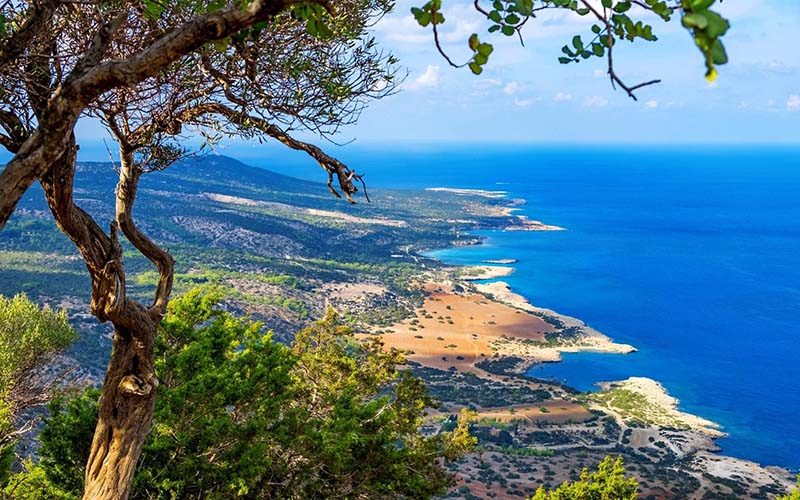
A rugged path winding through native scrubland offering vantage points of the entire Paphos district coastline.
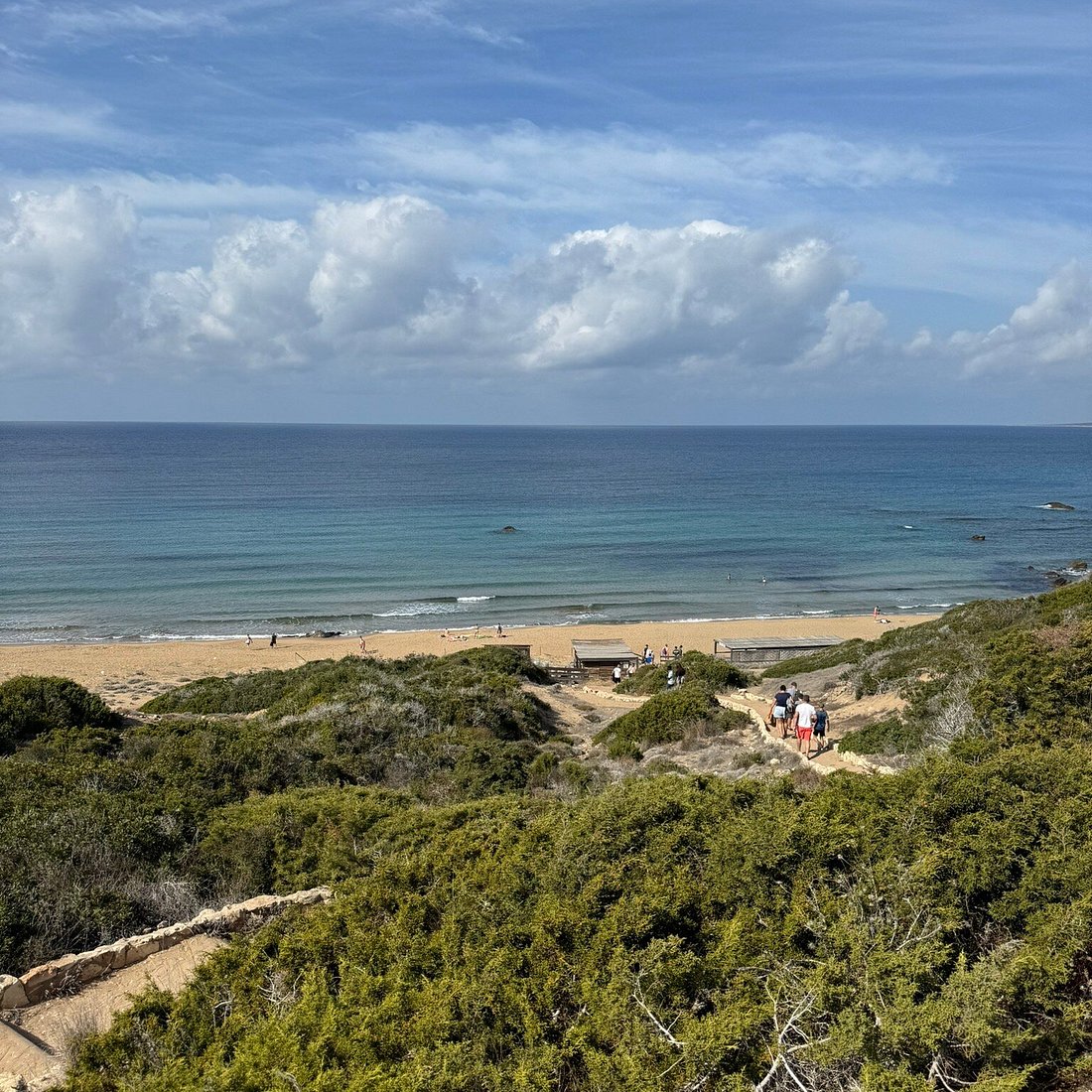
A prime spot for viewing the crystal-clear, calm waters where turtles are often spotted swimming near the shore.
Every Paphos Turtle Watching tour side-by-side — duration, what's included, how you redeem.
| Experience | Duration | Rating | Guide | Small group | Free cancel. | Price | |
|---|---|---|---|---|---|---|---|
|
Standard Entry Most popular
Sea Scooter Snorkeling with Wild Turtles in Paphos
|
4 hr | ★ 4.7 | ✓ | ✓ | ✓ | €60 | Book → |
|
Standard Entry
Paphos Sunset Cruise with Turtle Spotting & Open Bar
|
2 hr | ★ 4.7 | — | — | ✓ | €40 | Book → |
|
Standard Entry
Paphos Sea Turtle Snorkeling Adventure with GoPro Recording
|
4 hr | ★ 4.8 | ✓ | ✓ | ✓ | €60 | Book → |
All prices from verified partners. Availability and exact terms confirmed at checkout.
The conservation station offers an authentic educational encounter, whereas boat tours prioritize leisure and coastal sightseeing. Most visitors find the natural habitat setting more rewarding for observing marine wildlife behavior.
| Feature | Top pick Lara Beach Conservation | Commercial Turtle Cruises |
|---|---|---|
Experience Type |
Nature reserve observation | Leisure boat excursion |
Interaction Level |
Passive observation | Passive viewing from boat |
Conservation Impact |
Minimal impact | Potential habitat disturbance |
Cost |
0 EUR | 35–60 EUR |
Primary Goal |
Wildlife protection awareness | Recreational sea tour |
Accessibility |
Unpaved beach terrain | Harbor vessel boarding |
| See tickets → |
Verdict: Choose Lara Beach if you prefer a self-guided educational journey, or opt for paphos turtle watching tours if you desire a relaxed sea voyage through Paphos landmarks.
Choose your ticket, select your date, and reserve in under two minutes. Secure checkout handled by our verified partner.
Instant confirmation by email, with a mobile voucher you can save offline. No printing, no queuing at a collection desk.
Arrive at the entrance, show your voucher on your phone, and walk in. Most tickets include priority or skip-the-line access.
Practical details for Paphos Turtle Watching tickets straight from our verified partners — hours, access, rules, and how to get there.
Wear comfortable clothing and sturdy shoes suitable for sandy, uneven coastal paths. Sun protection is essential as there is zero natural shade on the beach.
Carry all personal belongings with you, as there are no storage lockers or facilities. Maintain clear pathways and never place items on marked nest enclosures.
Photography is permitted, but flash usage is strictly prohibited during evening hours to protect nesting turtles. Maintain a respectful distance from all turtle habitats.
The site is located on a remote, rugged beach with soft sand and rocky outcrops. It is not wheelchair accessible and requires navigating uneven, unpaved surfaces.
Mobile phones are permitted. Keep ringer off inside exhibition spaces.
This educational destination is popular for families interested in wildlife, provided children are supervised to ensure they stay clear of protected nest sites.
There are no facilities, shops, or water stations at the beach. Visitors must bring all required food and drink and carry out all waste.
Pets are not allowed, with the exception of service animals with appropriate documentation.
Last entry is typically 1 hour before closing. Check the specific ticket for timing.
Best time to go, insider tips, nearby landmarks, and the cancellation fine print — flip through to skim what matters to you.
Flexible, no hidden fees.
Since access is free, there is no entrance fee. Guided paphos turtle watching tours booked via operators typically require 24-hour notice for a full refund.
The Lara Beach Turtle Conservation Station shelters the Mediterranean's last significant Green Turtle and Loggerhead breeding populations, a genetic lineage unbroken since the Cretaceous.
Established in 1978 when fewer than 300 nests remained across the entire island, the station now protects over 80 nesting females annually on a six-kilometer stretch of the Akamas Peninsula. Volunteers relocate clutches from the open shore to fenced enclosures where incubation temperatures are monitored hourly—a single degree determines whether hatchlings emerge male or female. The beach itself remains undeveloped, accessible only by unpaved track, a rarity on Cyprus's increasingly urbanized coast.
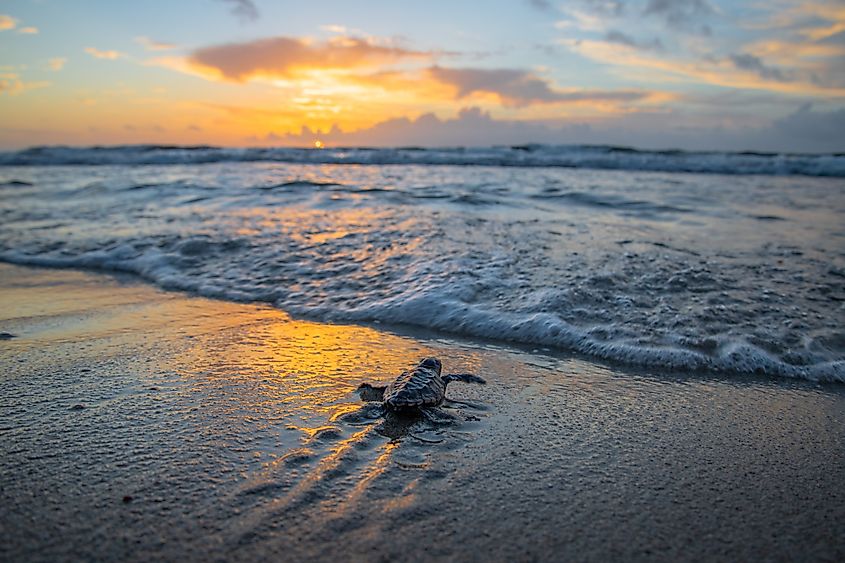
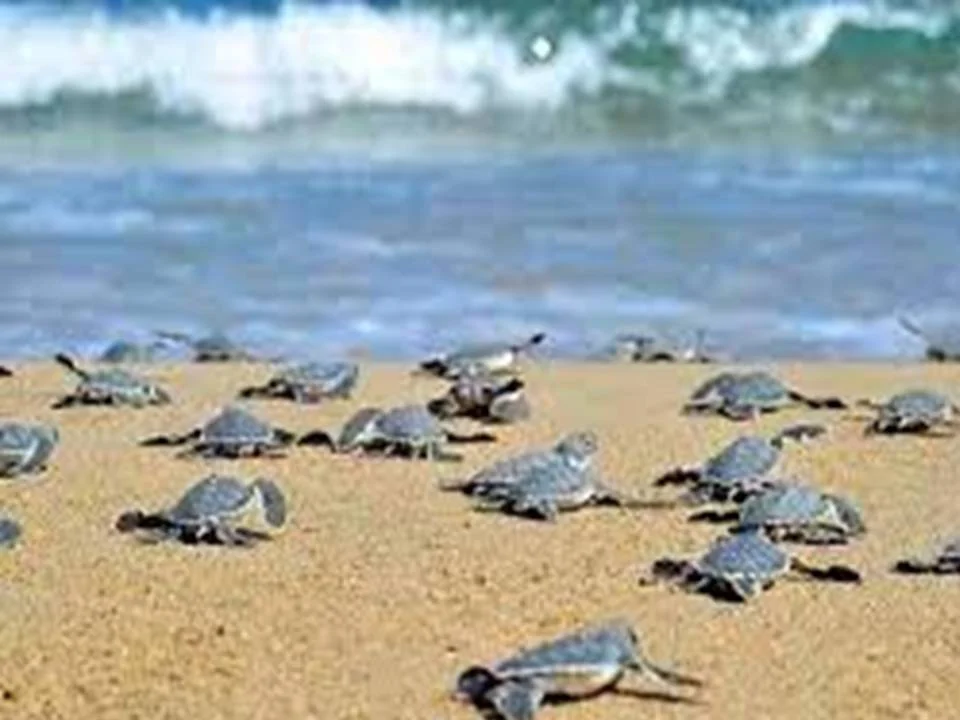
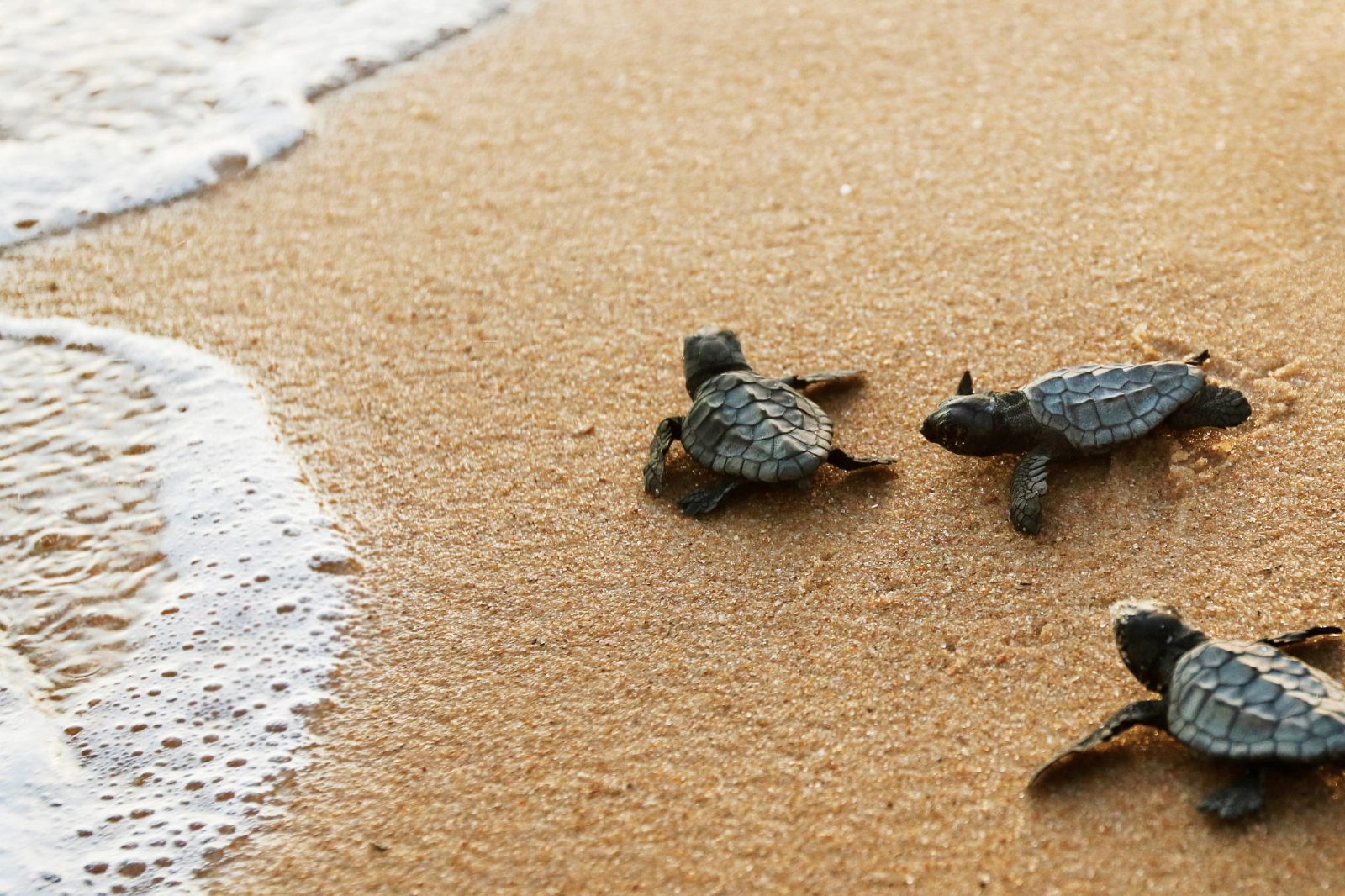
Paphos turtle watching tours converge here between May and October, the nesting window when females haul themselves ashore after dark to excavate egg chambers above the tide line. Each Loggerhead digs with alternating rear flippers, a process lasting two hours, before covering the nest and returning to the sea. Hatchlings emerge 50 to 70 days later, typically at dawn or dusk when sand temperatures drop below 30 degrees Celsius. The conservation staff mark nests with wooden stakes and wire cages to deter foxes and feral dogs, the primary terrestrial predators. Visitors arriving during the turtle hatching season witness the scramble to the waterline, a ten-meter sprint that determines survival—gulls and crabs take roughly 40 percent of hatchlings before they reach the surf.
The station's research hut displays tagged carapaces, satellite tracking maps, and photographic records spanning four decades. Biologists here identified that Cyprus turtles migrate to feeding grounds off Libya and Egypt, returning to Lara Beach every two to three years with near-perfect site fidelity. Genetic sampling confirms these populations diverged from Atlantic stocks 5 million years ago, adapting to the Mediterranean's warmer, saltier conditions. Paphos turtle watching snorkeling excursions from the harbor occasionally encounter juveniles in shallow seagrass meadows, though the conservation zone itself prohibits swimming within 300 meters of the nesting beach.
The Akamas Peninsula remains one of Europe's last roadless coastlines, a 230-square-kilometer reserve where turtle conservation intersects with endemic plant protection. Lara Beach anchors the southern boundary, its dunes stabilized by sea daffodils and sand couch grass. The conservation station operates entirely on volunteer labor and modest EU grants, with no entrance fee charged. Morning patrols begin at sunrise when tracks are freshest, and hatchling releases are scheduled opportunistically based on nest temperature readings rather than fixed times, ensuring optimal conditions for the scramble to sea.

"Each Loggerhead digs with alternating rear flippers, a process lasting two hours, before covering the nest and returning to the sea."
A step-by-step walkthrough of Paphos Turtle Watching tickets — what you'll see, how long each stage takes, and the details that matter.
You leave the paved road at Agios Georgios and follow the gravel track south, passing carob groves and dry stone walls until the Akamas scrub opens onto Lara Beach. The conservation station sits 200 meters inland, a cluster of whitewashed huts beneath tamarisk trees.
You arrive at dawn, the sand still cool underfoot, and join the morning patrol led by a volunteer biologist. She points to fresh flipper tracks ascending from the waterline, each stroke as wide as your forearm, and you follow them to a disturbed patch of sand marked with a wooden stake. The nest was laid four hours earlier; 120 eggs rest 60 centimeters below the surface.
You move to the fenced hatchery enclosures where 30 nests are monitored daily. A thermometer probe extends into one clutch, reading 29.8 degrees Celsius—the threshold for female-biased development. The biologist explains that three nests are due to hatch within 48 hours based on incubation timelines. If you return at dusk, you may witness the emergence. By mid-morning the sand heats rapidly, and you retreat to the research hut to examine satellite tracking data. One tagged female, logged as LB-47, has nested here every summer since 2011, migrating 800 kilometers to Libyan waters between breeding seasons. You scan the shallow bay through binoculars, hoping to spot a carapace surfacing, but the turtles remain submerged, grazing on Posidonia meadows offshore.
The conservation site at Lara Beach is open daily from 00:00–23:59.
There is a 0 EUR entrance fee for the conservation station.
For paphos turtle watching, the best arrival window is 07:00–10:00 to avoid peak heat and optimize spotting conditions.
No, Lara Beach is an undeveloped protected area with no toilets, showers, or kiosks.
No, the sandy and rocky terrain makes the area inaccessible for wheelchairs or strollers.
No, dogs are prohibited in the protected nesting zone to prevent disturbance to turtles.
Keep your distance, do not touch the cages, and avoid digging or driving on the nesting sand.
Yes, many guided paphos turtle watching tours include this site in their Akamas Peninsula itineraries.
No, you should not plant umbrellas in the sand as they can damage hidden nests; use a pop-up shade tent instead.